
No amount of President Donald Trump’s pre-dawn social media crowing about how his fierce military won the war in Iran can distract from the blatant reality of U.S. capitulation.
Iran weathered two months of relentless bombardment by triple-digit billions worth of deadly U.S. munitions to emerge from Trump’s “war of whimsy” with access to billions in frozen assets and its nuclear ambitions largely intact.
To stop the war he started and partially resurrect the 2015 Iran nuclear deal that Trump scuttled in 2018, his negotiators agreed to lift withering U.S. sanctions curbing Iranian oil exports, release Iran’s frozen hard-currency reserves and provide at least $300 billion in reparations to rebuild the civilian infrastructure the Pentagon blitzkrieg destroyed.
The Memorandum of Understanding (MOU) signed last weekend amounts to capitulation in a war that has inflicted global economic harm and damaged the United States’ credibility as a stable power and reliable ally of democratic nations.
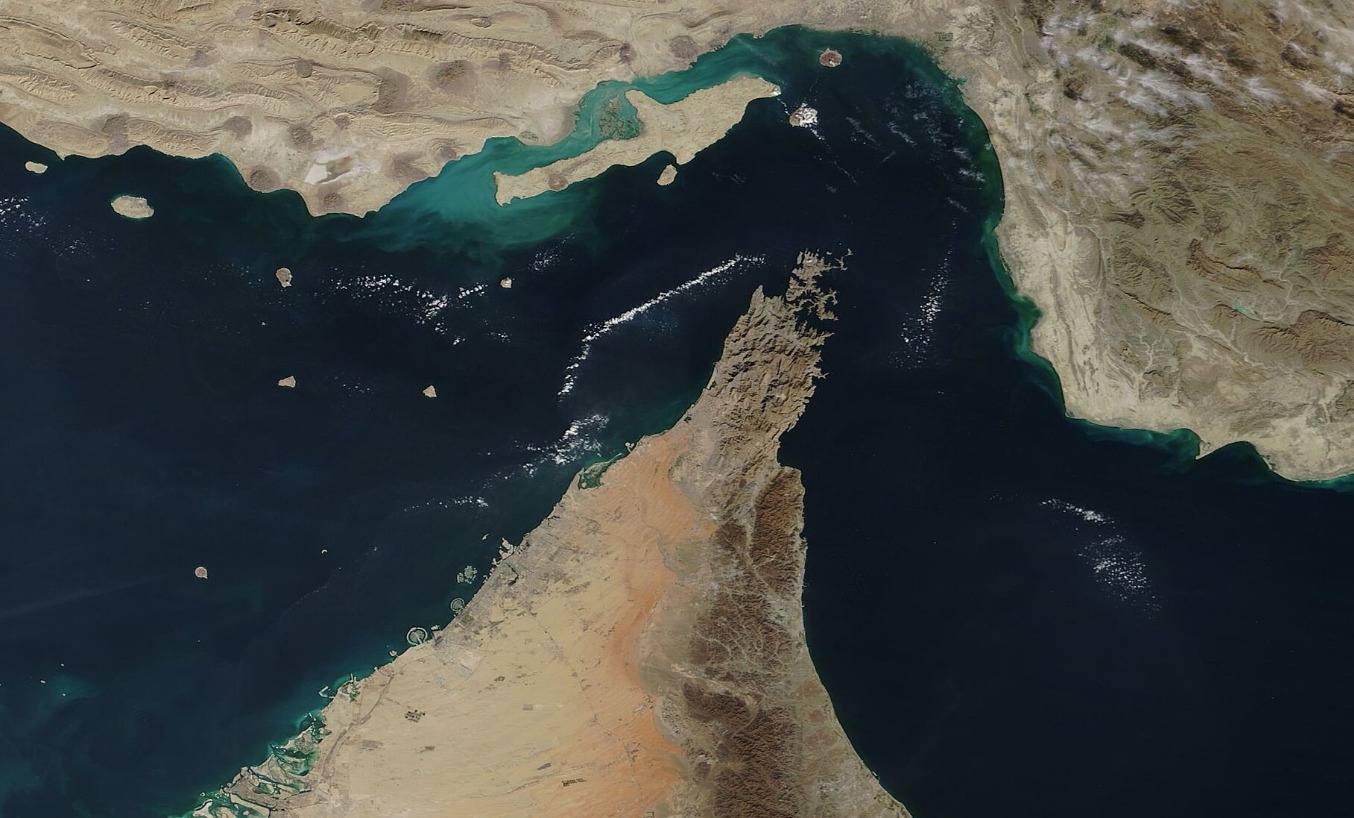
Iranian diplomats have emerged as the shot-callers in negotiations over the next 60 days on thorny issues to formally end the war. The costly showdown triggered by Trump’s go-it-alone Feb. 28 assault on Iran’s navy and energy trade sites has cut off the vast majority of oil exports through the Strait of Hormuz that used to account for 20 percent of global exports.
Trump, in the course of reversing every significant accomplishment of President Barack Obama’s administration, pulled the United States out of the 2015 nuclear treaty during his first term in the White House. The Joint Comprehensive Plan of Action (JCPOA) would have given Tehran sanctions relief in return for compliance with an International Atomic Energy Agency monitoring regime to ensure it wouldn’t enrich enough uranium to build nuclear weapons.
Trump and other Republican hardliners lashed out over the past dozen years at what they called a dangerous pact that would allow the Islamic regime in Iran to prosper and pose a continuous threat to global security. The Obama administration’s plan to unfreeze Iranian assets locked in Western banks by sanctions spurred right-wing outrage against what U.S. Republicans saw as collaborating with a murderous regime in Tehran.
But those rewards for Tehran in the 2015 Iran nuclear deal are now advance incentives for Iranian compliance with a ceasefire during the 60-day pause in hostilities to allow negotiations on a permanent end to the war.
In the few days since the ceremonial signings of the MOU by Trump in France and Iranian President Masoud Pezeshkian in his own country, Iranian officials negotiating a more sustainable agreement have disputed the claims of Trump and Vice President J.D. Vance that Iran has agreed to restore IAEA access to its nuclear facilities to monitor compliance and that the Strait of Hormuz will not be under Iranian control. Neither does the memorandum cover what to do about the vast stockpiles of uranium enriched to weapons-grade during the years since the IAEA inspections documenting compliance ceased with the U.S. withdrawal of the 2015 oversight agreement signed by most major countries and the United Nations.
The MOU has lifted U.S. sanctions on Iranian oil exports for the duration of the negotiating pause and bars the Trump administration from imposing new sanctions or deploying additional forces in the Middle East.
While Trump and his revolving cast of negotiators claim the Strait of Hormuz will no longer be subject to Iranian interruptions, the interim agreement only prohibits Tehran charging vessels transiting through the strait for the next two months.
The MOU calls on Iran to “conduct dialogue with the Sultanate of Oman to define the future administration and maritime services in the Strait of Hormuz, in discussion with other Persian Gulf littoral states, in line with the applicable international law and the sovereign rights of coastal states of the Strait of Hormuz.”
Nothing in the short memorandum prohibits tolling after the 60-day negotiations, whether they result in a successful termination of the war or a mutually agreed extension of the ceasefire. Nor does the MOU oblige the countries along the strait or the Gulf states to involve the United States or international alliances in those negotiations on future control of the strait. About 20 percent of the global supply of oil and other commodities passed without hindrance through the strategic chokepoint between the shores of Iran and Oman until Trump launched his war.
Trump was forced to concede favorable terms for Iran to sign on to the MOU because his appeal for help to traditional U.S. allies in NATO and the European Union were rebuffed by nations who were neither consulted nor interested in getting involved in Trump’s war.
The U.S.-Israeli war on Iran was launched without a Constitutionally mandated vote of Congress authorizing the use of U.S. military force against a foreign nation. U.S. allies were caught off-guard by the intensive aerial bombardment of Iran and showed no interest in joining the conflict when Trump urged U.S. allies to come to his aid.
Israeli Prime Minister Benjamin Netanyahu had egged on Trump to wage war against Iran and has frustrated the implementation of the pause in hostilities by claiming the MOU doesn’t restrain Israeli forces pressing on with attacks and occupation of Southern Lebanon.
“The MOU proves a half-time break rather than a final whistle,” The Economist wrote Tuesday in an opinion piece casting the halt in war-fighting as “the gloomiest scenario” for the long run but one that for the moment “stops the bombing and restarts the oil.”
Timothy Snyder, an American historian and professor of European and Cold War history at the University of Toronto, writes in his latest essay on the Iran war that it “began with a dream of violence. The question now is whether the nightmare that followed returns to the United States.
“The use of force does not magically lead to the outcome you want. You can think that firing some missiles and dropping some bombs will end Iran’s nuclear program, overturn its government, and lead to a victory that makes you feel grand about yourself; and then you can find that you no longer have any leverage over the nuclear program, that you have strengthened the power of the regime, and that you are paying hundreds of billions of dollars of reparations as the world draws conclusions from your capitulation.”
He blames the frenzied rise of U.S. belligerence on the concepts of unrestrained aggression fostered by Defense Secretary Pete Hegseth whose “view of war also has to do with primal urges, which he expresses in terms of God and the male body.”
Snyder cited Hegseth’s gathering last September of more than 700 top generals and admirals for a lecture at Quantico Marine Base in Virginia for a tirade about “stupid rules of engagement” under international treaties.
“We untie the hands of our warfighters to intimidate, demoralize, hunt and kill the enemies of our country,” Hegseth stated. “No more politically correct and overbearing rules of engagement, just common sense, maximum lethality and authority for warfighters.”
Snyder blames the U.S. administration’s Iranian disaster on “strategic ignorance in the White House… In the long term, the lesson for Americans is that our domestic politics will have to be restructured such that no aspiring tyrant can fight wars of whimsy.”
“It matters that we no longer employ qualified people to handle matters of war and peace, but leave war planning to entertainers and negotiations to profiteers.”


Want to avoid future debacles like the pointless Iran defeat described in this post? Vote blue in November. Tell your friends in red states.