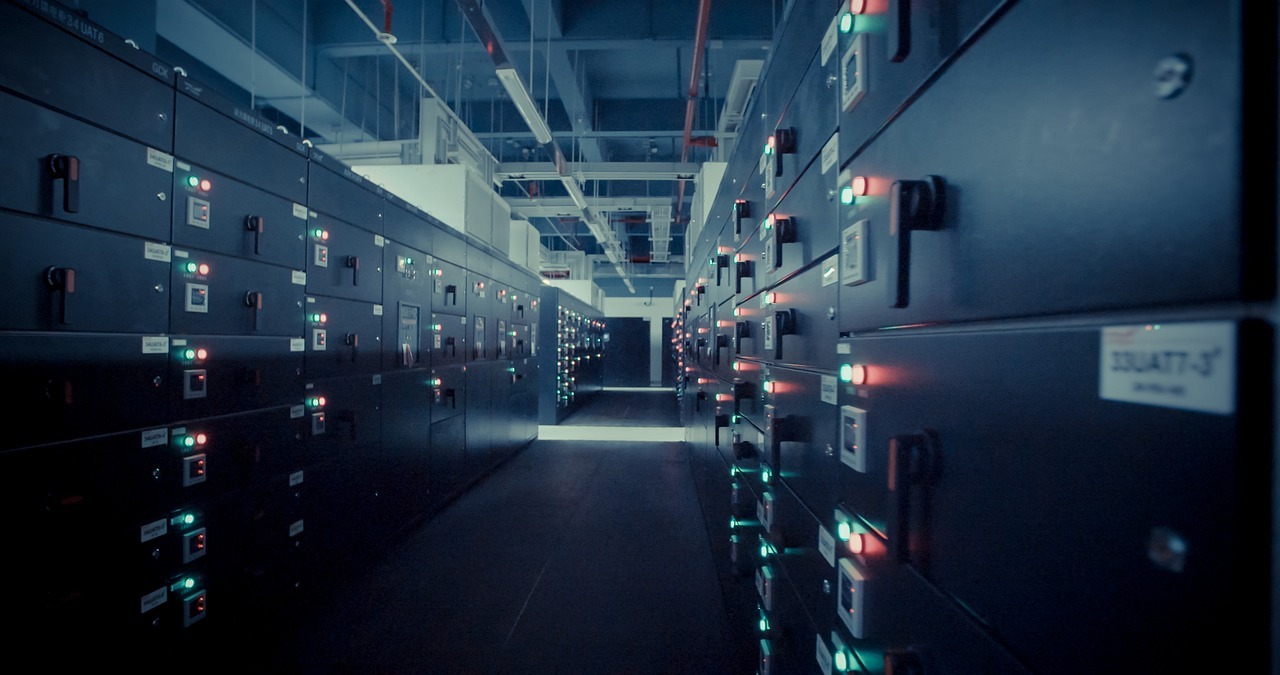

There’s one thing voters of all persuasions can agree on: they don’t want to live next to a large datacenter. In fact they don’t want datacenters anywhere nearby. It’s become the definitive political issue: datacenters out.
Drawbacks are numerous. For starters, datacenters consume vast quantities of space: as much as 500 thousand square feet, the size of four football fields. In urban neighborhoods, land is a valuable finite resource, whereas in rural areas datacenters often compete with agricultural needs.
Once in operation, large datacenters suck vast amounts of electrical power, estimated at anywhere from 54 to 120 megawatts, enough to power 200-300,000 homes.
Datacenters not only utilize huge quantities of energy, they also require an immense amount of water for cooling. Once used, heated water must be discharged. Whereas there might be innovative ways to reuse that heated water — say to provide heat to nearby structures — wastewater typically is released into rivers, streams and even into municipal water supplies.
Yet water flushed from datacenters has potential hazards. At a datacenter in Cheyene, Wyo., examination of discarded water detected presence of Cupriavidas gilardia, a dangerous bacterium. Tests at other sites uncovered a range of toxic pollutants and “forever chemicals,” including PFAs, heavy metals and antibiotic-resistant bacteria.
In addition to those hazards, there is yet a further consequence to the datacenters: they’re loud. The noise level is constant, and it blights a considerable surrounding orbit.
Seattle has already allowed a handful of small datacenters, but this city has yet to permit a single large one. Earlier this year, Seattle councilmembers’ offices were flooded with emails from constituents opposed to datacenters. In response, councilmembers, spurred by the mayor, unanimously passed a year’s moratorium.
Opposition to large datacenters — here and elsewhere — is partly due to dissonance and fear over the datacenters’ enabling of artificial Intelligence (AI.) There has been reluctance to accept the new technology and reluctance to allow AI to continue to operate without any regulation.
Public backlash against AI owes something to a mutual distaste for the founders and leaders of AI, the mega capitalists who head SpaceX, ByteDance, Palantir, Google, Amazon, Anthropic, Open AI, Microsoft and others.
But opposition goes beyond mere antipathy to CEOs. Fears over AI have been stoked by recent news stories about risks inherent in the technology. Earlier this month, former Anthropic researcher Jacob Coxon charged that industry executives are “gambling with our lives” and advanced AI models could pose lethal threats by the end of the decade. Another researcher Evan Hubinger agreed with Coxon, placing the chance of artificial intelligence killing humanity within the next decade at 10 percent.
Such dire predictions may be overstated, but there are continued calls for oversight. In July, President Xi Jinping of China called for laws and regulations to ensure that AI is always under human control. In this country, such concerns have been brushed aside by President Trump, who accuses China of “helping fuel the American backlash” against datacenters. In an interview with Fox host Laura Ingraham, Trump called datacenters “the oil of the next 50 years.” He said, “If you kill the Golden Goose, you’ll only have yourselves to blame.”
Despite Trump’s sunny view of AI, industry leaders themselves are beginning to signal a need for increased caution. Most recently Anthropic’s CEO Dario Amodei warned that advances have begun to outpace the industry’s ability to fully understand and control the technology. His warning was echoed by OpenAI’s Sam Altman and SpaceX’s Elon Musk.
In Washington, D.C., politicians, too, are signaling a need for slowdown. Sen. Ted Cruz, Commerce Committee chair, acknowledged the warnings over AI are “scary as hell. He’s calling for guardrails, but doesn’t want to hobble American advances over China, allowing that he’d “rather be killed by an American robot than by a Chinese robot.”
Other lawmakers were more determined. Sens. Amy Klobuchar and John Thune both spoke of the imperative to address biologic and nuclear threats. Meanwhile, always forthright Sen. Bernie Sanders, has called for “a stop to building machines that humans can’t control.”
There now is no doubt that it’s time – hopefully not beyond time – to take the dire warnings seriously. This nation, with or without other nations, must work to get artificial intelligence firmly under control. Act as if our lives depended on it; it’s possible they do.
Discover more from Post Alley
Subscribe to get the latest posts sent to your email.


Actually, this is a critically important, nuanced discussion. See the opinion piece of Nicholas Kristoff in the Times just a couple days ago. It’s not black-and-white by any means…though the downsides are downright scary.
Frankly, I’m fearful that there will be no way to fully regulate and/or control AI, even with the best of intentions. However, dealing with AI by opposing data centers (independent of the politics) is not the solution.