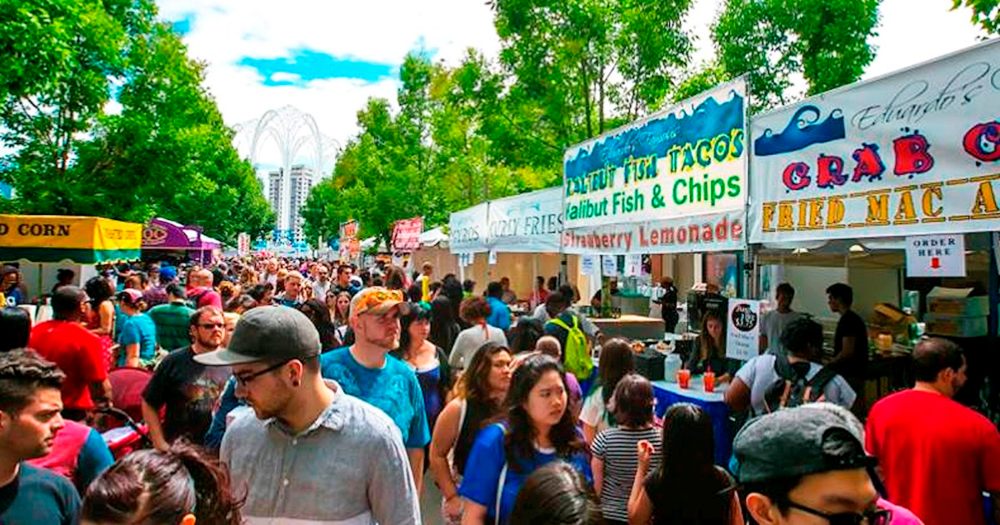

It was seconds after 6 p.m. on a warm Sunday night at the Bite at Seattle Center, the city’s gathering place, when dozens of bullets were fired into the crowd. Three people were killed, four others injured.
Despite all the attention on the after-the-incident communications failures, and there were many, it is abundantly clear that police officers on the Center grounds sprang into action, along with their colleagues from across the city and firefighters who rushed to the scene.
Police officers and the city’s 911 communications center first learned of the gunfire from a lieutenant at the Center. He broadcast a radio alert that shots were being fired. A citywide “help the officer” broadcast followed, alerting dozens of officers from Northgate to Capitol Hill to downtown to Rainier Valley to West Seattle that a mass-casualty shooting event was happening.
Calls to the 911 communications center surged seconds later, rising from 16 in the 15 minutes before 6 p.m. to 95 between 6 and 6:15 p.m., a sixfold increase. Call volume remained elevated for about 30 minutes. The chart below shows call volumes at the 911 center around the time of the shootings.

Listening to the police radio traffic from this incident is both alarming and reassuring. Officers acted bravely and quickly, at one point requesting a tourniquet for a small child’s arm. Officers administered CPR to a victim. Within minutes of the gunfire, officers arrested a 15-year-old youth armed with a gun; he has since been charged with First Degree Assault, though it’s not believed his gun fired any of the fatal shots.
Officers gathered witness accounts and reported possible suspect descriptions to their dispatchers. They escorted people away from the crime scene, and they searched nearby buildings in case a suspect had entered as they were fleeing.
Police Chief Shon Barnes was in Dallas, in the Central Time Zone, attending a Black Law Enforcement Association conference. Just after 8 p.m., he received the same alerts his officers were getting in Seattle. The table below shows the most significant events as they happened that Sunday night, as recorded in dispatch logs.
The Fire Department’s radio traffic also confirms that our city’s firefighters responded quickly, stabilized the injured, and transported them to the hospital.
It’s clear from that radio traffic that our police officers and firefighters did their jobs on July 26. They rushed toward the danger. They helped the wounded. They quickly arrested one person armed with a gun. And they protected the many hundreds of others who were escorted away from the scene. The dispatch log below shows how fast the response escalated, from the first radio call to a unified command with Seattle Fire.

I’m sharing all this because most of the media’s attention has been focused on why it took so long for the police to brief the public on what had happened; their normal practice is to do this as soon as possible after a major event like this, almost always within an hour or so. This is especially crucial because mass shootings create significant fear, particularly when they are random and intended to harm as many people as possible. But the police knew fairly quickly that this shooting was most likely a targeted event aimed at specific individuals. The public should have been told this immediately, and they should have been told that Seattle Center was closed and everyone needed to leave the grounds.
I don’t want the hullabaloo surrounding the communication breakdowns to overshadow the work of our officers or firefighters in what was a horrific, tragic event for everyone involved and for our city. They did exactly what they are trained to do. I’m grateful for their professionalism.
And that’s why it is so important to answer as quickly as possible the questions swirling around this July 26 mass shooting. The people of Seattle deserve true answers, and so do our police officers and firefighters who did their jobs so exceptionally well that night.
Why didn’t the police hold their typical infield media briefing? What caused this deviation from normal practice? Who made the decision to forego the briefing?
Why did it take nearly five hours for police commanders and our elected leaders to hold a media briefing? What factors caused this excessive delay? Who made the decision to wait so long?
And what role did any of our elected leaders, or their staff members, play in these decisions?
Discover more from Post Alley
Subscribe to get the latest posts sent to your email.


Good questions.
And it is of some importance to find out why communication to the public was slower than necessary.
However my own lingering thought is that sure, it would have been ideal to have done it differently.
But I don’t really care that much. I don’t think it’s very significant. A flaw? Maybe, OK, sure… And standard practice should be indeed the standard. But basically a very minor flaw.
Though when I heard that Ferguson and Jayapal were at the first briefing I did wonder “WTF? Why? How were they involved?”
So if your question is really about their presence at all, then that’s a good one.
The SPD, PIO made it clear: ‘waiting for dignitaries’ – No interview with the PIO who made the statement to the media during the five hour wait.