

Atop the Mast: the flag of the United Nations, which has played important roles in peacekeeping in smaller nations and played a crucial role in the 1963 Cuban Missile Crisis.
On the Yardarm: the flags of the United States, prime architect of the postwar international order, and the European Union, which has promoted peace by promoting trade and open borders among its 27 member nations.
If the conversation around your holiday dinner table bogs down in yet another depressing regurgitation of the latest outrages issuing from the White House, remind everyone that we all have something truly important to celebrate. Then, surprise them by not talking about the birth of Jesus, the rededication of the Second Temple in Jerusalem, or Indiana’s refusal to gerrymander its Congressional map.
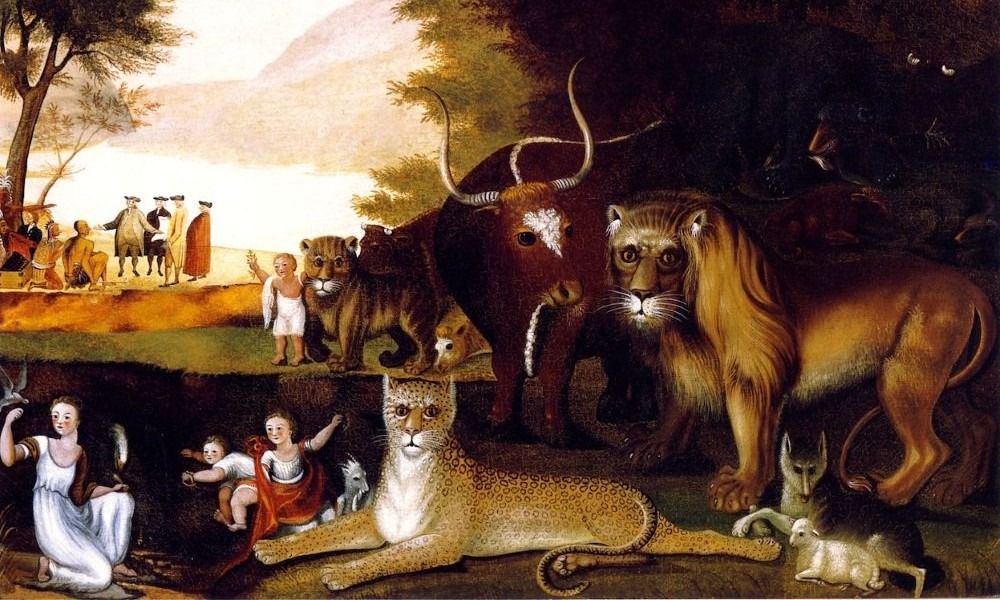
Point out the miraculous achievement under our noses: 80 years of global peace. The last 80 years have been the longest period without a war between the great powers since the Roman Empire. Think about that. For those of us who were born after 1945 and the end of World War II, it has been an extraordinary gift we do not fully appreciate.
This calm did not happen by accident. World War II was so catastrophic that it led the architects of the postwar order – largely the Americans – to attempt to bend the trend of major wars every generation or two by constructing an international order that could bring peace. The creation of the United Nations gave nations a forum to resolve disputes. The “Cold War” between the United States and Soviet Union led to a massive buildup of nuclear weapons on both sides, but also to a recognition, under the doctrine of Mutual Assured Destruction, that these weapons can never be used. The U.S. abandoned its longtime aversion to entangling alliances by helping found the North Atlantic Treaty Organization to build a collective security alliance, which now has 32 members. The collapse of the Soviet Union led to an optimistic era where folks thought globalization and economic interdependence promised prosperity without war.
Yet, peace is never permanent. After 80 years, dangers gather. Why? First, amnesia –having never experienced a global conflict, we have no memory of the horrible costs of a great power war. Second, the rise of competitors, in this case China, threatens peace; America, once dominant, now faces a multipolar world where many nations now act in their areas of influence without deference. Third, the U.S. has overextended itself financially and militarily. The final clue that our 80 years of global peace may end soon is America’s descent into bitter political divisions at home, while we go about upending every international relationship, alliance, institution and process.
History suggests, sadly, we do not learn from history. To extend this unprecedented period without a great-power war, we will need to summon the same strategic imagination and unified national determination that leaders did in 1945. Are up to the task? Now, that’s a subject worth discussing over the pumpkin pie. Happy holidays!
Discover more from Post Alley
Subscribe to get the latest posts sent to your email.